Lemaire Channel, Pleneau Island & Port Charcot
“Team inspire – team inspire – team inspire”. Our captain’s sea-battered voice reverberated across the ship’s speakers – a 6:45 am morning call.
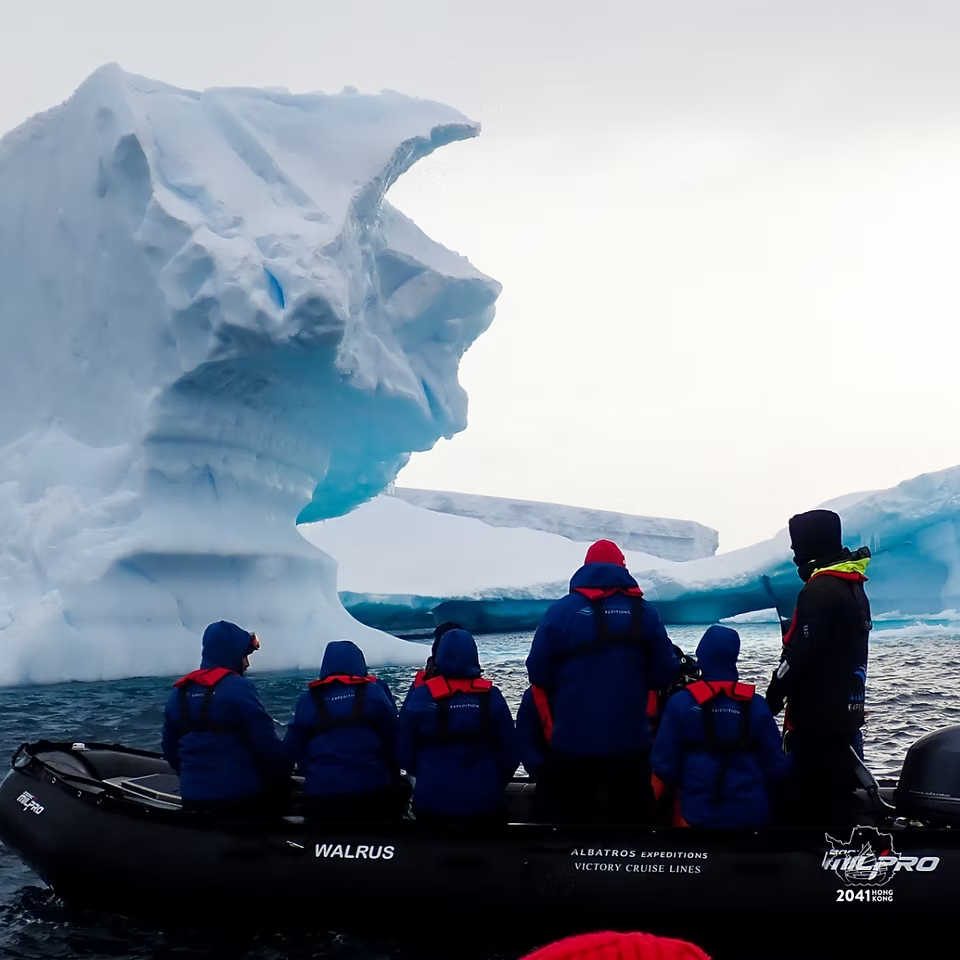
By the fourth day, the feelings of jet lag and novelty had been completely replaced by a consistent routine of briefing, discussions, lectures, punctuated by some quiet moments spent admiring our frigid surroundings. Still, a full days worth of meetings can never dull the excitement participating in outside excursions.
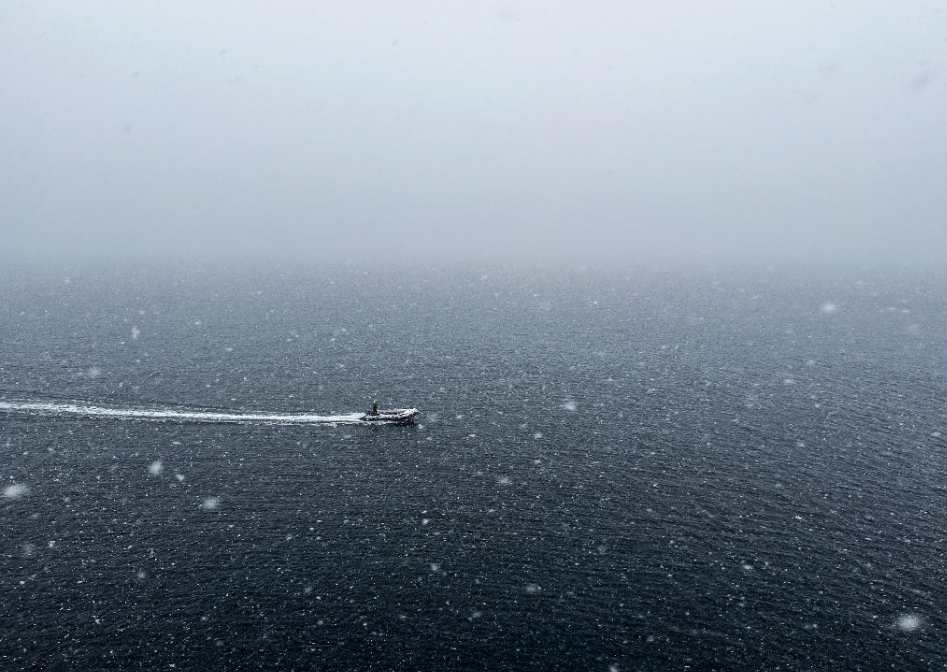
We got to Lemaire Channel, a place so photogenic it’s nicknamed “The Kodak Channel”, that is if the water was still. Unfortunately, that day the weather had ideas of its own, alternating between bouts of snowstorms and sudden sunny conditions. It felt like we were experiencing all the seasons in that one day.
We made our first landing at Pleneau Island, the happy home of a gentoo penguin colony. Penguins are curious creatures. Many times, they tried to approach our team in hobbling droves, but we made sure to keep our distance. As it is moulting season, most penguins during this time try to be as inactive as possible to conserve energy as they put on a new layer of fur that would allow them to survive the cold winter.
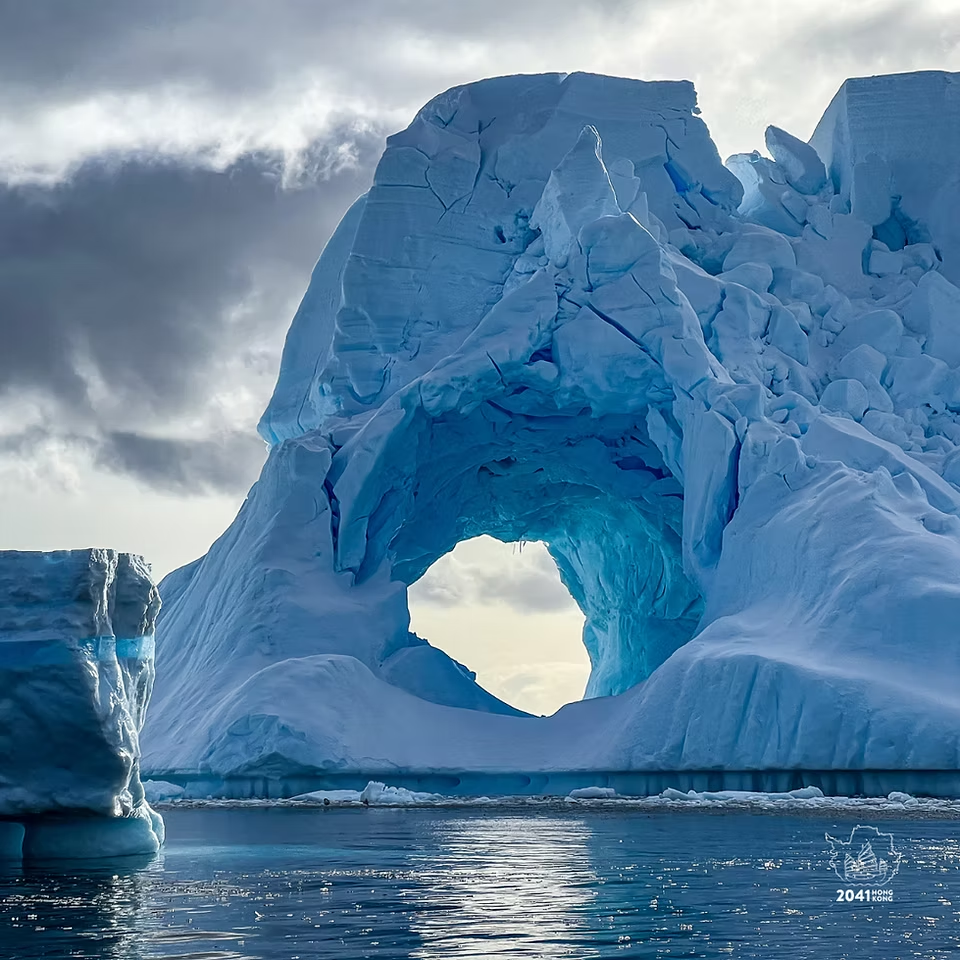
Finally, we came across the Iceberg Graveyard. In this place, the tide comes bringing in pieces of icebergs, only to leave them stranded when the water becomes too shallow. Despite the grim name, it is beautiful to see sculptures of ice pose against the dark brown rocks. Here, the ice holds so much memory: building on layers for decades and decades until it melts away peacefully as part of a large cycle too long for our minds to comprehend.
Neko Harbour, Paradise Bay & Brown Station
At early dawn, we set out on the Zodiacs in the direction of Neko Harbor for our first close-up with a glacier (one that attaches to the continent). Although it seemed immovable, we remained a distance away as one could never know when exactly a glacier does decide to collapse. Even small chunks of falling icebergs can create giant waves and overturn the boats. Near Neko Harbor, you could also see Humpbacks peaking out from the water in their unique way of sleeping: floating for ~15 minutes before submerging again. Fun fact, when they sleep, they switch half their brains off to rest and keep another running to stay afloat!
Next, we came by Paradise Bay, where the Argentinian research station – Brown Station – is located. Penguins have learned to regard the existence of the research station as part of the landscape, albeit a weird break from the usual snow and rock.
Cierva Cove & Mikkelson Harbour
At Cierva Cove, I saw more penguins than I will probably ever see again. Penguins are social creatures with excellent complex group interactions – one of which is the nest-building ritual which we had the pleasure of witnessing. Ominously, alongside the penguins, we saw fat seals catching a nap amongst crowds of what essentially is their food source. Fortunately, these creatures are slow-moving on land.
At Mikkelson Harbour, we saw the remains of the 19th-century whale hunting enterprise gradually rusting away in the Antarctic climate. Whale bones of various species of whales littered around these stations, making the place seem even more desolate. While it’s a relief that humans stopped relying on whales for blubber – a fat which kept candles lit and drove the fishing for whales – the scattered remains of the industry reflect the dark nature of human consumerism and its often sorrowful impact on the natural world.